
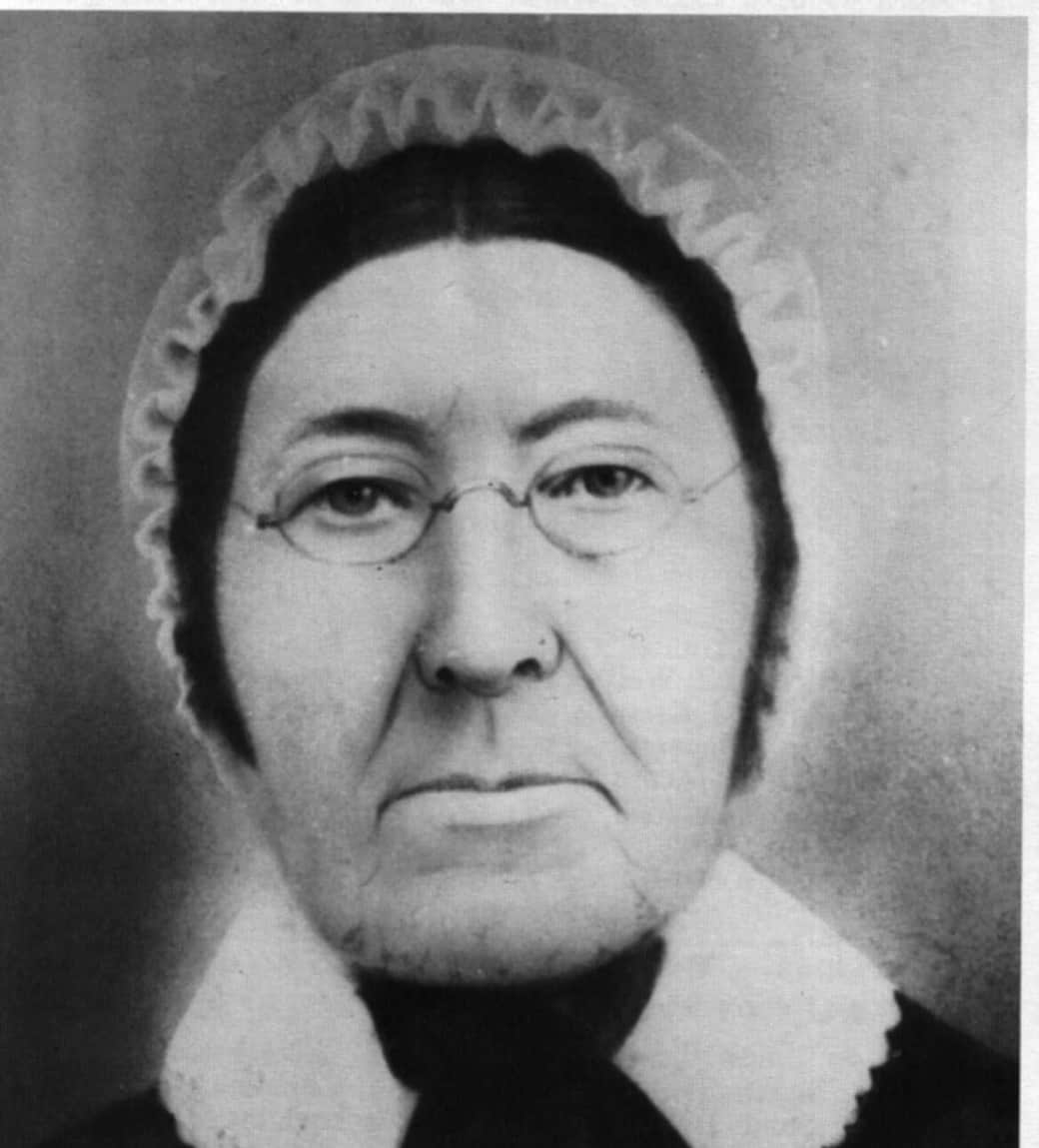
A House of Stone Told by Mary Drake
I was not born in Iowa.
When I married Zepheniah Drake in 1818 in Sussex County, New Jersey, I did not yet know that my sons would one day travel farther west than I could imagine.
We buried my husband young. The War of 1812 had already asked much of him before he died in 1837. I raised nine children through loss and relocation, moving from New Jersey to Pennsylvania and then westward as the country stretched and shifted.
By 1854, my eldest son, John Robert Drake, had gone ahead of us.
Madison County, Iowa, they called it. Though it was little more than prairie and possibility.
He homesteaded land along what they called the Bluff Road and by 1856 had finished a large two-story stone house.
Stone.
Not timber.
Not temporary.
Stone.
When John traveled back east to bring Amanda Bigler to Iowa and married her in 1855, I understood something: he was not wandering. He was planting. The limestone walls rose solid and deliberate from the land. Native walnut woodwork lined the interior. Fireplaces were built in. Cupboards carved into the walls.
This was not a cabin for passing through. It was a declaration. Seven children were born in that house. Fields were worked. Cattle raised. The prairie bent and hardened through winters and droughts. Then in 1867, my son died. There are no formal records of how. Only family stories. Some speak of bitterness between brothers. Of a dog and poison. Of words spoken in pride before death.
But what remains is this:
The house stood.
Amanda remarried. The children moved between farms. Sons returned. Management shifted. Illness came. Generations rose and fell. John Milton. Everett Edward. Edgar Allen. Sons and grandsons continued working the land. Through Civil War years.
Through hardship. Through the quiet tragedies history rarely names. The stone house did what it was built to do. It held.
Now, more than a century and a half later, it still stands in Webster Township, one of the oldest remaining farms in the community. I could not have imagined wedding ceremonies beneath open sky. Women gathering in laughter. A farmhouse becoming a place of intention rather than survival.
But I understand this:
The purpose has not changed. It was built to hold life.
It still does.
From Her Hands to Mine
The limestone walls of Stone Farm Inn were built by a son who crossed the country to plant something permanent. But behind that story is a woman who outlived war, buried a husband, and raised children who would push westward. Mary Dennis Drake did not build the stone walls herself — but she built the family that did .
Today, another woman stands inside those same walls. Not to conquer land. Not to expand acreage. But to preserve something slower. The farmhouse is no longer 640 acres of cattle and fieldwork.
It is five acres of intentional gathering. Of intimate weddings. Of women reconnecting. Of emotional presence over production.
What began as a pioneer homestead has become something different, but equally deliberate. Stone still holds. Only now, it holds joy differently.